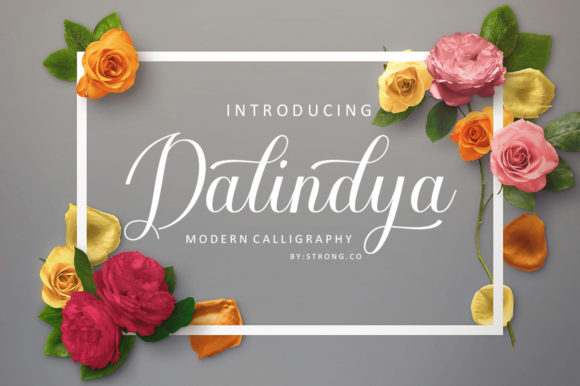
Dalinya Script Font for Web Design
Dalinya is a script font that brings the elegance of traditional calligraphy into the digital space. With its graceful letters and swashes, it offers a unique blend of artistry and readability that can elevate any design project. As a web designer, I’ve found that fonts like Dalinya are essential in crafting visual experiences that resonate with users while maintaining a strong brand identity.
Its flowing lines and elegant curves make it ideal for headers, banners, and other prominent sections of a website. The personality of Dalinya is warm and inviting, making it perfect for creative portfolios, boutique stores, and branding projects that aim to evoke emotion and connection.
Using Dalinya in Website Headers and Hero Sections
When designing hero sections or main headers, the right font can set the tone for the entire page. Dalinya’s script style adds a touch of sophistication without overwhelming the content. It works well for headlines that need to stand out but still feel approachable.
I often use Dalinya for landing pages where the goal is to capture attention quickly. Its legibility on larger screens ensures that the message is clear and impactful. Pairing it with a clean sans serif font for body text helps maintain a balance between creativity and clarity.
Applying Dalinya to Conversion-Focused Layouts
In conversion-focused layouts such as product landing pages or course sales pages, typography plays a crucial role in guiding the user's eye. Dalinya can be used for call-to-action buttons or section headings to draw attention and encourage interaction.
However, it's important to consider readability on smaller screens. While Dalinya looks stunning on desktops, using it for small buttons or mobile menus might not be the best choice. Instead, reserve it for decorative accents or short phrases where its beauty can shine without compromising usability.
Practical Examples of Dalinya in Action
For a creative portfolio site, Dalinya can be used in the header to introduce the designer's name or tagline. This creates an immediate impression of professionalism and artistry. In a boutique online store, it can be used for promotional banners or product titles, adding a personal touch that sets the brand apart.
On a coaching website, Dalinya can be applied to headline sections or testimonials to convey trust and expertise. Its soft, handwritten appearance aligns well with brands that focus on community, wellness, or lifestyle.
Readability and Visual Hierarchy with Dalinya
Visual hierarchy is key in ensuring that users can scan through content effortlessly. Dalinya, being a script font, should be used sparingly to avoid clutter. When used for section headings or subheadings, it can help break up large blocks of text and guide the reader through the content.
It’s also worth noting that Dalinya performs well on both light and dark backgrounds. This versatility makes it suitable for a variety of design contexts, from modern minimalist websites to bold editorial layouts.
Font Pairing and Brand Identity
Font pairing is an essential part of creating a cohesive design system. Dalinya pairs beautifully with simple sans serif fonts like Helvetica or Arial for body copy. This combination provides a contrast between elegance and simplicity, reinforcing a professional yet approachable brand image.
For more editorial or creative projects, pairing Dalinya with a serif font can enhance the overall aesthetic. This approach is especially effective in blog headers, magazine-style layouts, or digital magazines where a refined look is desired.
Choosing the Right Styles and Formats
Before implementing Dalinya into a project, it's important to check the available styles and formats. Ensure that the font includes all necessary weights, alternates, and supports multilingual characters if your audience requires it. Webfont availability is also crucial for seamless integration across different platforms and devices.
For commercial use, always verify the licensing terms. Whether you're building a website, developing a digital product, or working on client projects, having the correct license ensures that you’re compliant and protects your work from potential legal issues.
Designing with Mobile Responsiveness in Mind
With more users accessing websites via mobile devices, it's essential to test how Dalinya appears on smaller screens. While it looks beautiful on desktops, ensure that it remains readable when scaled down. Avoid using it in areas where it might become too small or hard to read, such as footers or sidebars.
Responsive design principles should guide how and where Dalinya is used. Keeping the font size consistent across different screen sizes helps maintain a balanced visual hierarchy and improves the overall user experience.
Whether you're designing a digital product, a landing page, or a brand kit, Dalinya offers a versatile and stylish option that enhances your visual storytelling. By understanding its strengths and limitations, you can use it effectively to create designs that are both beautiful and functional.